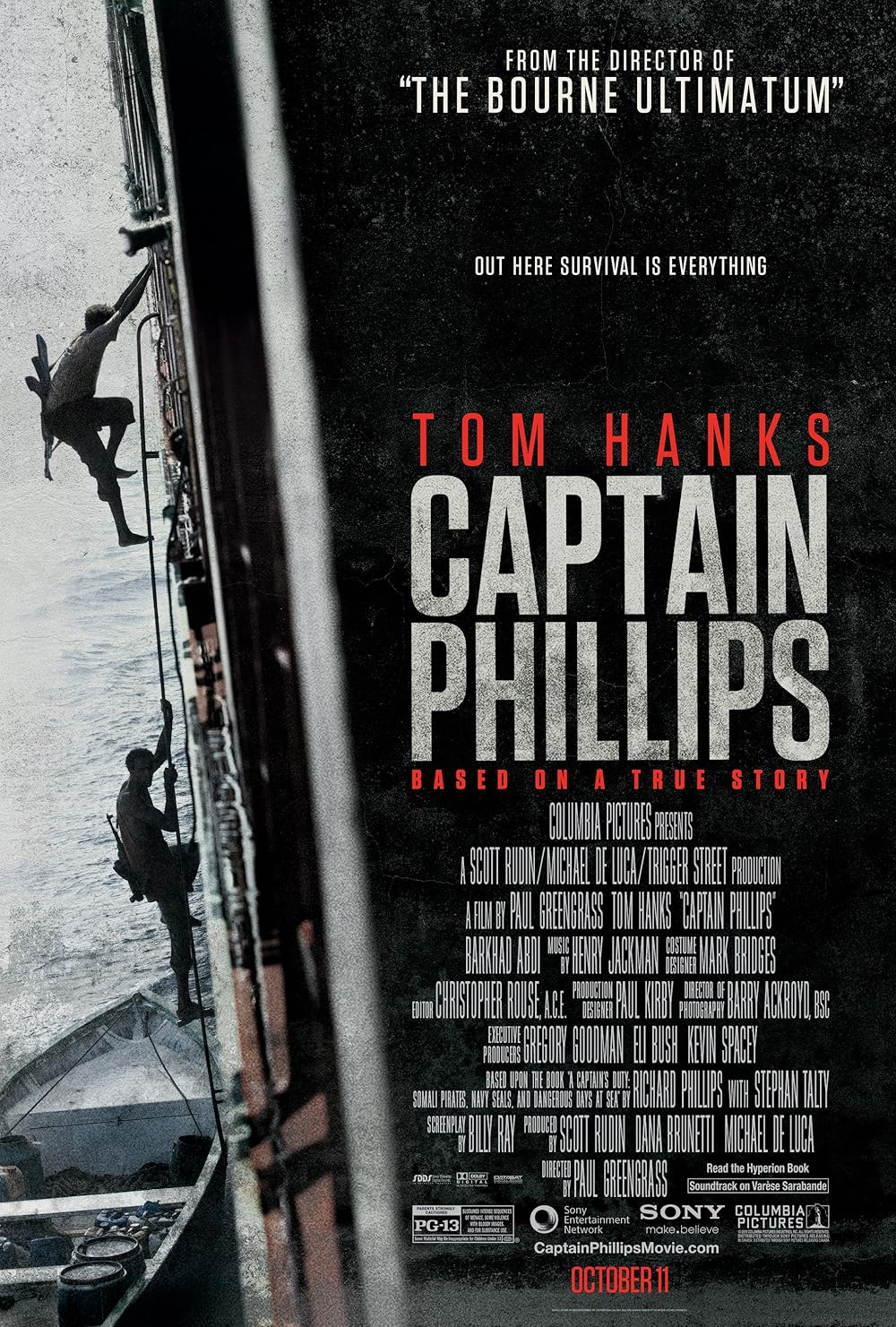
Tom Hanks' Captain Phillips: The True Story Behind His Acclaimed Role
Few actors command the screen with the consistent gravitas and Everyman relatability of Tom Hanks. Over decades, he has brought to life an extraordinary array of characters, from the whimsical to the heroic, earning him a place among Hollywood's most beloved and decorated performers. Among his most intense and celebrated roles is that of Captain Richard Phillips in the 2013 thriller, Captain Phillips, a film that plunges viewers into the terrifying reality of a modern-day high-seas hijacking. This acclaimed movie is not merely a work of fiction; it's a gripping dramatization of a harrowing true story, brought to visceral life by Hanks' compelling portrayal.
The film, directed by the masterful Paul Greengrass, captivated audiences and critics alike, earning widespread praise for its relentless tension and realistic depiction of the events. At its heart lies the inside story of Tom Hanks' gripping role in the Captain Phillips true story, a performance that cemented his reputation for tackling complex, real-life figures with unparalleled depth. But what exactly was the true story that inspired this cinematic triumph, and how did Tom Hanks immerse himself so completely into the skin of Captain Richard Phillips?
The Harrowing Real-Life Incident: The Maersk Alabama Hijacking
The foundation of Captain Phillips is an extraordinary and terrifying event that unfolded in April 2009. The MV Maersk Alabama, a U.S.-flagged container ship, was making its way through the pirate-infested waters off the coast of Somalia. At the helm was Captain Richard Phillips, an experienced mariner facing a threat that was becoming increasingly common but still unimaginable for an American vessel: a coordinated attack by heavily armed Somali pirates.
The hijacking of the Maersk Alabama marked a grim milestone, becoming the first American cargo ship to be seized by pirates in two hundred years. The pirates, operating from small skiffs, successfully boarded the immense vessel, igniting a desperate standoff. Captain Phillips, demonstrating remarkable courage and quick thinking, ordered his crew to secure themselves in a safe room, while he himself confronted the intruders. In a selfless act of negotiation, Phillips offered himself as a hostage to ensure the safety of his crew, agreeing to be taken by the pirates aboard one of their lifeboats.
What followed was a five-day ordeal, a tense game of cat and mouse across the Indian Ocean. Phillips endured extreme conditions, psychological torment, and the constant threat of violence, all while U.S. Navy SEALs mounted a complex rescue operation. The entire world watched as this real-life drama unfolded, a stark reminder of the perils faced by those who navigate the world's most dangerous maritime routes.
Tom Hanks' Masterful Portrayal of Captain Richard Phillips
When it came to casting the titular Captain Phillips: Tom Hanks' Acclaimed True Story Now on Netflix, the choice of Tom Hanks was almost universally lauded. Known for his "Everyman" charm and an uncanny ability to infuse his characters with profound humanity, Hanks brought an authenticity to Captain Richard Phillips that made the terrifying ordeal deeply personal for audiences. His performance wasn't just an act; it was a profound embodiment of a man pushed to the absolute limits of human endurance.
Hanks meticulously captured the nuances of Captain Phillips' character: his initial composure under pressure, his strategic thinking in trying to outwit the pirates, and eventually, his raw vulnerability and psychological breakdown as the days of captivity wore on. The film's ending scene, in particular, where Phillips is being medically assessed after his rescue, remains one of Hanks' most powerful and understated performances. Without a single line of dialogue, he conveys the overwhelming trauma, shock, and relief of a man who has stared death in the face and survived. It's a masterclass in non-verbal acting, showcasing the incredible range that has earned Hanks two Oscars and four Golden Globes.
The challenge of playing a real person is immense. It requires not just mimicking mannerisms but delving into the psyche, understanding the pressure, and conveying emotions that are both authentic to the individual and universal to the human experience. Tom Hanks, as Tom Hanks Character Phillips, achieved this with extraordinary grace. His ability to make the audience feel every punch, every threat, and every fleeting moment of hope alongside Phillips is a testament to his dedication and skill.
The Ensemble's Impact: Pirates and Direction
While Hanks' performance anchored the film, the success of Captain Phillips was also significantly bolstered by its supporting cast and Paul Greengrass's distinctive directorial style. The actors portraying the Somali pirates, many of whom were newcomers, delivered astonishingly realistic and menacing performances. Barkhad Abdi, who played the ruthless pirate leader Muse, was a revelation, earning a BAFTA Award for Best Actor in a Supporting Role for his chilling and complex portrayal.
Greengrass's signature handheld camera work and documentary-style realism were crucial in immersing viewers directly into the high-stakes environment. This kinetic, almost chaotic filming style heightened the tension, making the audience feel as if they were right there in the cramped bridge of the Maersk Alabama or adrift in the claustrophobic lifeboat. This raw, immediate approach complemented Hanks' naturalistic acting, creating an unparalleled sense of urgency and danger that few films can achieve.
Beyond the Screen: The Lasting Impact and True Story Debates
Upon its release, Captain Phillips garnered widespread critical acclaim, boasting an impressive 93% rating on Rotten Tomatoes. Critics lauded its intense realism, Greengrass's taut direction, and above all, Tom Hanks' tour-de-force performance. The film wasn't just a thrilling cinematic experience; it ignited conversations about global piracy, the lives of merchant mariners, and the extraordinary resilience of the human spirit.
While the film is fundamentally based on a true story, cinematic adaptations always involve a degree of dramatic license and artistic interpretation. Viewers interested in the full scope of the events often delve into Richard Phillips' own account, "A Captain's Duty: Somali Pirates, Navy SEALs, and Dangerous Days at Sea," which served as source material for the screenplay. These discussions underscore a fascinating aspect of true-story films: how they serve not just as entertainment but as powerful conduits for exploring real-world events and their human toll.
For audiences, what makes a true-story film compelling? It's often a combination of authenticity, high stakes, and a compelling performance that allows us to connect with the real individuals involved. Captain Phillips excels on all these fronts, making it a powerful reminder of maritime dangers and the incredible strength found in the face of overwhelming adversity.
Tom Hanks' Legacy of True-Story Roles
The role of Captain Richard Phillips stands proudly alongside a gallery of other real-life or reality-inspired characters that Tom Hanks has brought to the screen. From the compassionate lawyer in Philadelphia (inspired by real legal battles) to the stoic Captain Miller in Saving Private Ryan, the extraordinary life of Forrest Gump (a fictional character whose journey mirrors real historical events), and more recently, the unflappable Chesley Sullenberger in Sully, Hanks has repeatedly demonstrated his unique ability to inhabit the skins of men who faced immense challenges and acted with courage, integrity, or profound humanity. This consistent thread throughout his career underscores why his portrayal of Tom Hanks Character Phillips felt so resonant and authentic.
Captain Phillips is more than just a thrilling movie; it's a profound cinematic testament to courage, sacrifice, and the will to survive against impossible odds. Tom Hanks' portrayal of Captain Richard Phillips remains a highlight in his illustrious career, a performance that is both intensely physical and deeply emotional. It’s a film that continues to resonate with audiences, reminding us of the human spirit's enduring strength and the quiet heroism found in the most perilous situations.